Step 4 of the process
Cure and check
Epoxy cures by time and temperature: about a day to demold and 3 to 7 days to full hardness. UV resin cures in minutes, but only under 365 to 405 nm light and only as deep as the light gets.
- Coating and casting epoxy
- demold in about 24 h, full cure 72 h
- Deep pour epoxy
- demold in 24 to 72 h, full cure 5 to 7 days
Epoxy cures by a chemical reaction that runs on warmth. At 70 to 80 F most coating and casting resins can be demolded after about 24 hours and reach full cure in 72 hours; deep pour resins take 24 to 72 hours to demold and 5 to 7 days to finish. A cooler room slows everything: as a rule of thumb, 18 F cooler roughly doubles the time. The epoxy cure time chart has the numbers by resin type.
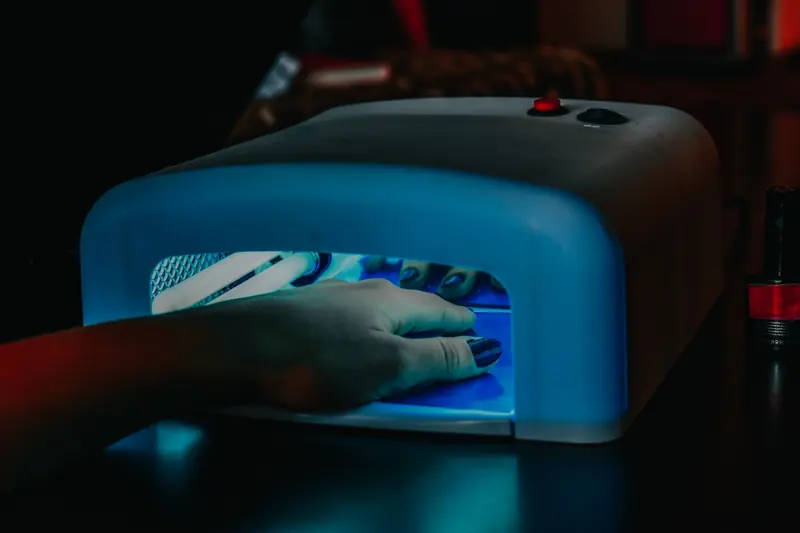
UV resin is cured with light of 365 to 405 nm. A clear layer about 2 mm thick takes 30 to 90 seconds under a UV-LED lamp and 2 to 4 minutes under an older tube lamp; direct sun does it in 5 to 15 minutes. Turn the piece and cure the other side. Color and thickness add time. See the UV resin curing time chart and curing without a UV light.
Then check. Press a fingernail into an edge: cured resin does not take a mark. Epoxy that is tacky after a day in a warm room points back to the ratio or the mixing. UV resin that is hard but has a sticky film is usually fine and wipes clean with alcohol; sticky UV resin sorts the cases. A piece that is hard but bendy mostly needs more days.
Ready to move on when: The surface is hard and tack-free, and a fingernail pressed into an edge leaves no mark.
Common mistakes at this stage
- Moving the piece to a cold room overnight.
- Demolding by the clock when the room was cooler than the label assumes.
- Curing a thick or dark UV piece from one side only.
Notes for this stage
- Why cured resin is bendy or rubbery and how to harden itBendy or rubbery resin usually needs more cure time: 2 to 7 more days in a warm room. A fingernail test tells a slow cure from a ratio or mixing fault.Fix
- Why UV resin stays sticky or will not cure, and how to fix itUV resin sticky after curing? Match what you see in the table: tacky film, sticky mold side, soft inside or dense color. Fixes with lamp times and limits.Fix
- UV resin curing time chart by lamp type, thickness and colorUV resin cure times by light source from maker instructions: 30 to 90 seconds under a UV-LED lamp, 2 to 4 minutes under a 36 W UV lamp, longer in sun.Chart
- Epoxy resin cure time chart: by room temperature and resin typeEpoxy resin cure times from maker data sheets: working time, demold and full cure for coating, casting and deep pour resins, plus each maker's room range.Chart
- Will UV resin cure without a UV light? Sunlight, windows and timesUV resin will not cure on its own in room air. Without a UV light it needs direct sun: 5 to 15 minutes for a thin clear layer, 20 minutes or more under cloud.Explainer
Gear for this stage
Useful at every step
- Epoxy resin calculator by mold shape and sizeHow much resin a mold needs, in ml, fl oz and grams, split into Part A and Part B.Tool
- How to get bubbles out of epoxy and UV resinGet bubbles out of epoxy and UV resin: a where-are-the-bubbles table, heat gun and toothpick fixes, and prevention up to a 40 to 60 psi pressure pot.Fix
- Is epoxy resin toxic? A safe setup for resin art at homeWhat maker safety data sheets say about liquid epoxy: skin and eye irritant, skin allergy with repeated contact. Plus a 7-point home setup checklist.Explainer
- Is UV resin safe to use at home? Skin contact, fumes and curingWhat a UV resin safety data sheet says about skin contact, fumes and cured pieces: H315, H317, H319, gloves, ventilation and how to read the 16 sections.Explainer